Gamers today crave freedom in their play sessions, and handheld consoles deliver just that. These compact devices pack powerful hardware into portable forms, letting you dive into epic adventures anywhere—from commutes to cozy couches. Handheld consoles like the Steam Deck have transformed handheld gaming, blending console ease with PC versatility. If you seek the ultimate on-the-go experience, this guide uncovers the best options. You'll discover why these gadgets shine, compare top models, and avoid common pitfalls. Read on to find your perfect match and elevate your portable gaming PC setup in 2025.
Why Handheld Consoles Dominate Modern Gaming
Players embrace handheld consoles for their unmatched convenience. You grab one, power it up, and jump straight into games without bulky setups. Handheld gaming thrives on innovation, with devices offering stunning visuals and long battery life. Experts note that these consoles bridge casual and hardcore play, appealing to diverse audiences. For instance, they support everything from indie titles to AAA blockbusters. As technology advances, handheld consoles evolve, incorporating features like variable refresh rates and ergonomic designs. This shift empowers gamers to play high-fidelity experiences portably, reshaping how we engage with virtual worlds.
Top Handheld Consoles to Consider
Gamers hunt for the ideal balance of performance and portability. Here, we spotlight five standout models that define handheld gaming in 2025.
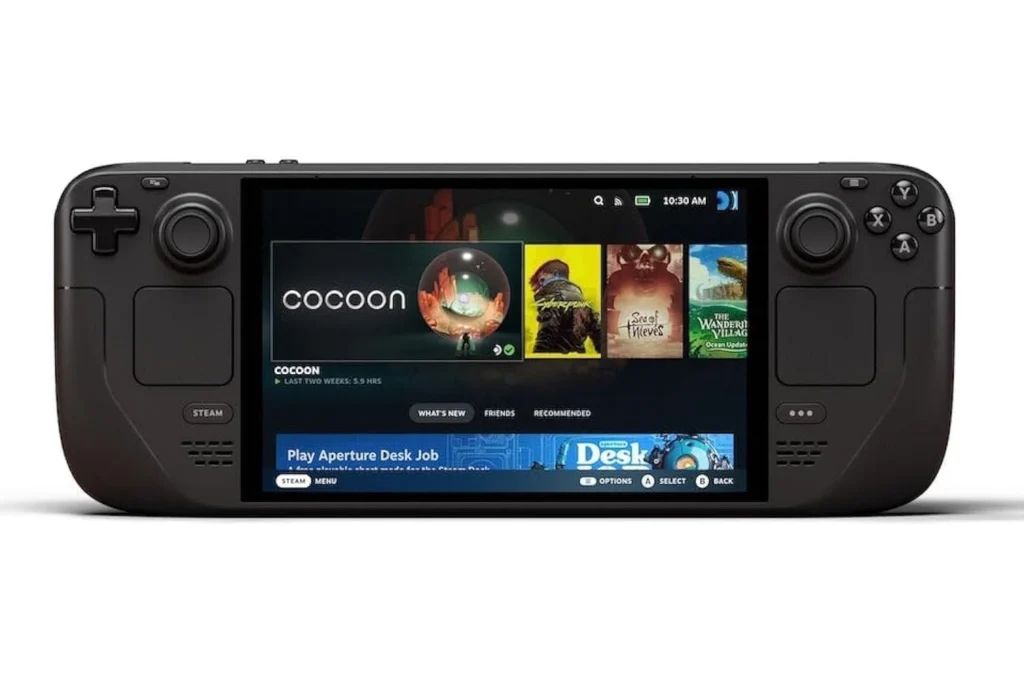
- Steam Deck OLED Valve engineers this beast for seamless PC gaming on the move. It boasts a vibrant 7-inch OLED screen with 90Hz refresh, custom AMD APU, and 16GB RAM. You enjoy hours of play on titles like Cyberpunk 2077. Pros include intuitive SteamOS and vast library access; cons involve moderate battery in demanding games. Priced around $549, it suits budget-conscious enthusiasts.
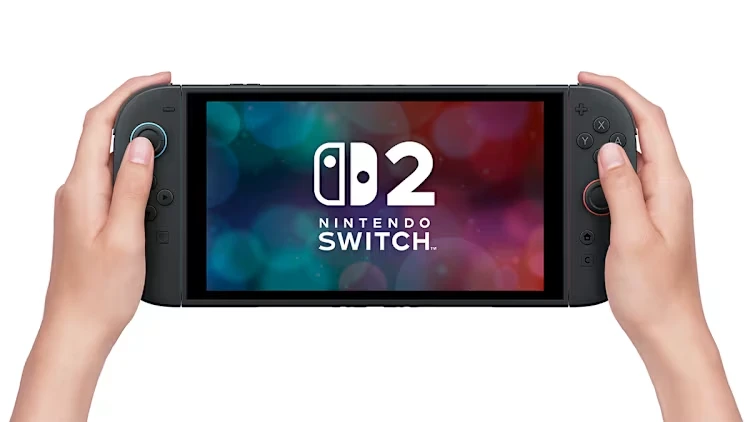
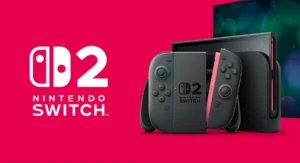
- Nintendo Switch 2 Nintendo refines its hybrid formula here. This console features an 8-inch 1080p display, upgraded Tegra chip, and magnetic Joy-Cons. You switch effortlessly between handheld and docked modes for games like Zelda. Strengths lie in exclusive titles and family-friendly design; drawbacks include less raw power than PC rivals. At about $399, it attracts casual players.
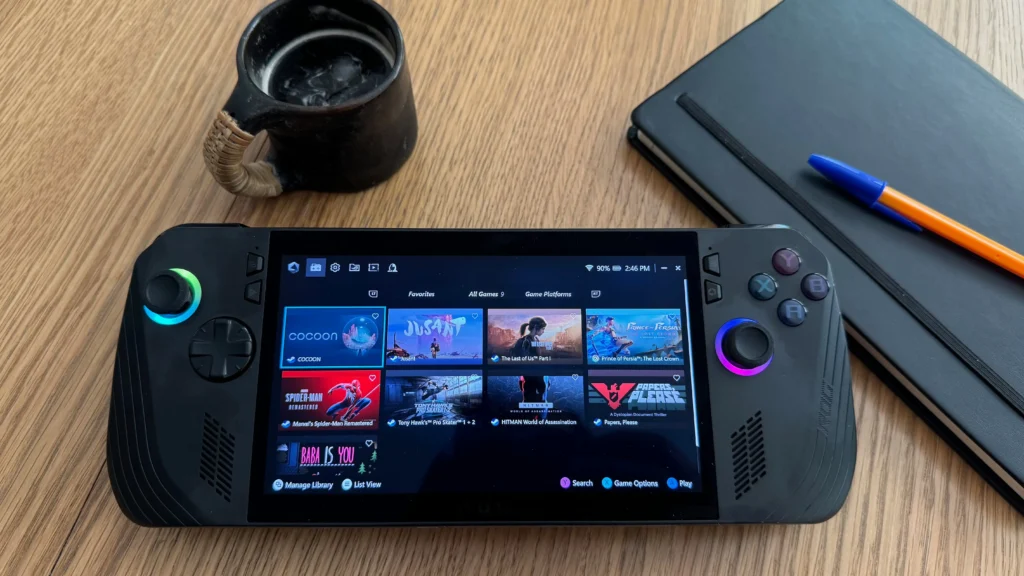
- ASUS ROG Ally X ASUS crafts a premium portable gaming PC with Ryzen Z2 Extreme CPU, 24GB RAM, and 7-inch 120Hz screen. It runs Windows 11 smoothly for multi-platform access. You tackle intensive tasks quietly, thanks to efficient cooling. Advantages encompass superior ergonomics and expandability; limitations feature higher cost and software tweaks needed. Expect to pay $999.
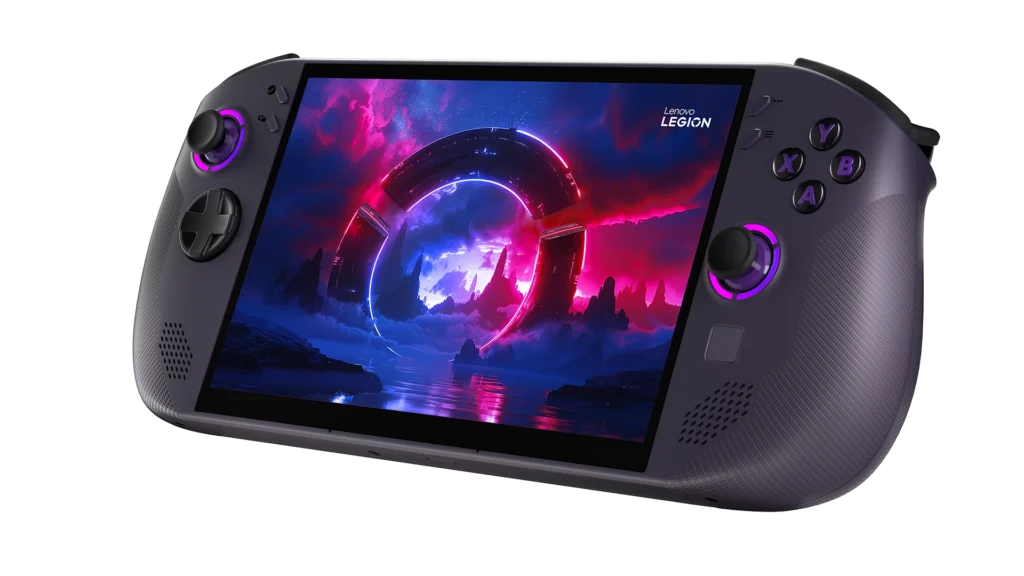
- Lenovo Legion Go S Lenovo optimizes this for big-screen thrills in a compact body. It includes an 8-inch 144Hz display, Ryzen Z1 Extreme, and detachable controllers. You customize setups for FPS or RPGs. Benefits highlight SteamOS integration and comfort; downsides note weight during long sessions. Starting at $699, it appeals to versatility seekers.
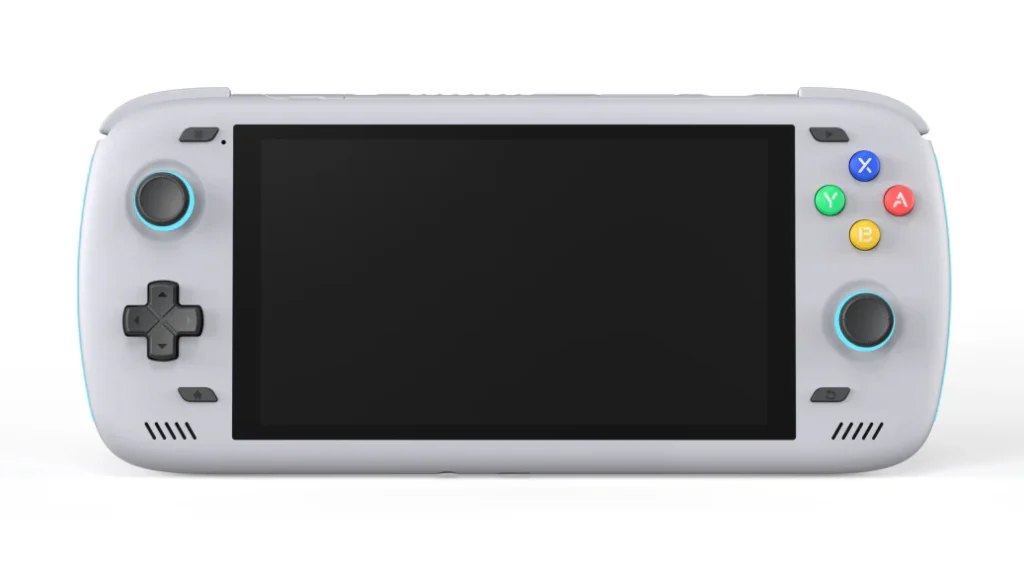
- Ayn Odin 2 Ayn targets emulation fans with Snapdragon 8 Gen 2, 6-inch 1080p panel, and Android OS. You relive classics from PS2 to Wii flawlessly. Key perks involve exceptional battery and affordability; cons include setup complexity for newcomers. Around $299, it excels in retro handheld gaming.
Handheld Consoles Comparison Table
| Model | Screen Size/Resolution | CPU/GPU | Price Range | Battery Life | Pros | Cons |
| Steam Deck OLED | 7-inch/800p OLED | Custom AMD APU | $549 | 3-8 hours | Vibrant display, vast library | Moderate power for AAA |
| Nintendo Switch 2 | 8-inch/1080p IPS | Tegra custom | $399 | 4-9 hours | Exclusives, hybrid mode | Less horsepower |
| ASUS ROG Ally X | 7-inch/1080p 120Hz | Ryzen Z2 Extreme | $999 | 2-6 hours | Premium build, multi-platform | Pricey, software adjustments |
| Lenovo Legion Go S | 8-inch/1440p 144Hz | Ryzen Z1 Extreme | $699 | 2-5 hours | Large screen, detachable pads | Heavier design |
| Ayn Odin 2 | 6-inch/1080p IPS | Snapdragon 8 Gen 2 | $299 | 5-10 hours | Emulation king, affordable | Tinkering required |
This table helps you weigh options quickly. Handheld consoles vary in focus, so match them to your play style.
Common Mistakes in Choosing Handheld Consoles
Buyers often overlook key factors. First, they ignore battery demands—intense handheld gaming drains power fast, so check real-world tests. Second, users skip compatibility checks; not all games optimize for portable gaming PCs. Third, they chase specs without considering comfort—ergonomics matter for extended sessions. Avoid these by researching user reviews and trying devices in stores.
Expert FAQs on Handheld Consoles
What sets handheld consoles apart from smartphones for gaming?
Handheld consoles offer dedicated controls and superior cooling, enhancing immersion. Smartphones multitask but lack precision. According to Weiting Gao's usability study on game consoles, specialized hardware boosts user satisfaction in prolonged play.
How do I maximize battery life on my portable gaming PC?
Optimize by lowering brightness, capping frame rates, and closing apps. Experts like those in substitution effect research suggest efficient settings extend sessions up to 50%.
Are handheld consoles suitable for competitive gaming?
Yes, models with high refresh rates excel in esports. However, latency varies; pros recommend wired accessories for precision.
What's the future of handheld gaming?
Innovations like AI upscaling and cloud integration loom. Scholar Ziyuan Cui predicts business reforms will blend mobile and console ecosystems for hybrid experiences.
Should beginners start with budget handheld consoles?
Absolutely—affordable options like the Ayn Odin 2 build skills without overwhelming complexity.
Wrap Up and Level Up Your Gear
Handheld consoles redefine gaming freedom in 2025, merging power with portability. Whether you pick the Steam Deck OLED for value or ROG Ally X for premium thrills, these devices keep you connected to your favorites. Ready to dive in? Explore our site for more gaming tech insights, reviews, and tips to enhance your setup. Game on!